
Executive
Key Takeaways
Multi-Payer Coverage Verification: Checking telehealth insurance eligibility
prior to the visit prevents costly non-covered denials.
Automated Scheduling & Reminders: Digital booking and SMS confirmations
reduce virtual patient no-show rates by up to 45%.
Secure Video & EHR Centralization: Embedding HIPAA-compliant video within
EHR workflows accelerates clinical documentation.
Standardized Operating Guidelines: Clear protocol documentation ensures
compliant modifier (95, GT) and POS selection.
In recent years, telehealth has become a popular option for medical clinics and healthcare providers, allowing them to provide care to their patients remotely. This can save time and money while also improving patient safety and satisfaction. But in order to make the most of this technology, it is important for clinics to optimize their workflow when using telehealth. In this blog post, we will discuss how clinics can streamline their workflows with telehealth services for better medical billing results. We’ll explore tips on how to improve communication between staff members and patients as well as ways you can use technology effectively in your practice. By following these steps, you’ll be able to maximize the efficiency of your clinic’s workflow while still providing quality care for your patients through telemedicine visits.
It’s important for clinics to be aware of the different payment options available for telehealth visits. Many insurance companies will cover telemedicine services just as they would any other face-to-face visit. Clinics should make sure that patients are aware of their coverage and provide information on how to use their health plan for these remote visits. Additionally, clinics can offer alternative payment plans or accept payments from third-party service providers to help streamline the billing process.
Another key component of clinic workflow optimization is with streamlining communication between staff members and patients, especially with regard to scheduling appointments. To do this, clinics need to ensure they have a good system in place that allows them to quickly respond to patient inquiries and provide timely information regarding their appointments. The role of technology in enabling efficient telehealth workflows is inevitable. There are a number of online tools available that make it easier for clinics to manage their schedules and keep track of patient information, such as appointment reminders or automated appointment confirmation messages. These tools automate many of the tasks associated with scheduling, which can save staff time while ensuring that they’re meeting patients’ needs.
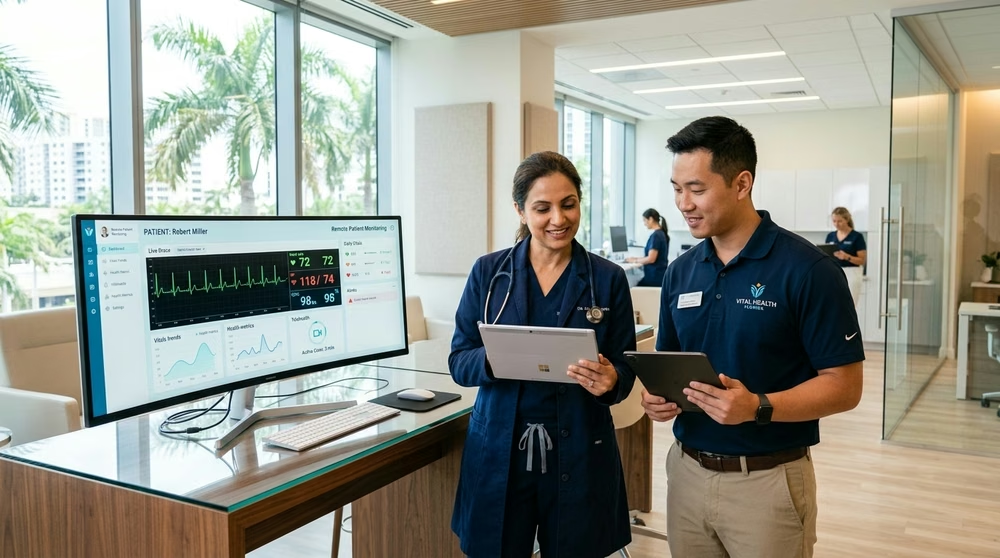
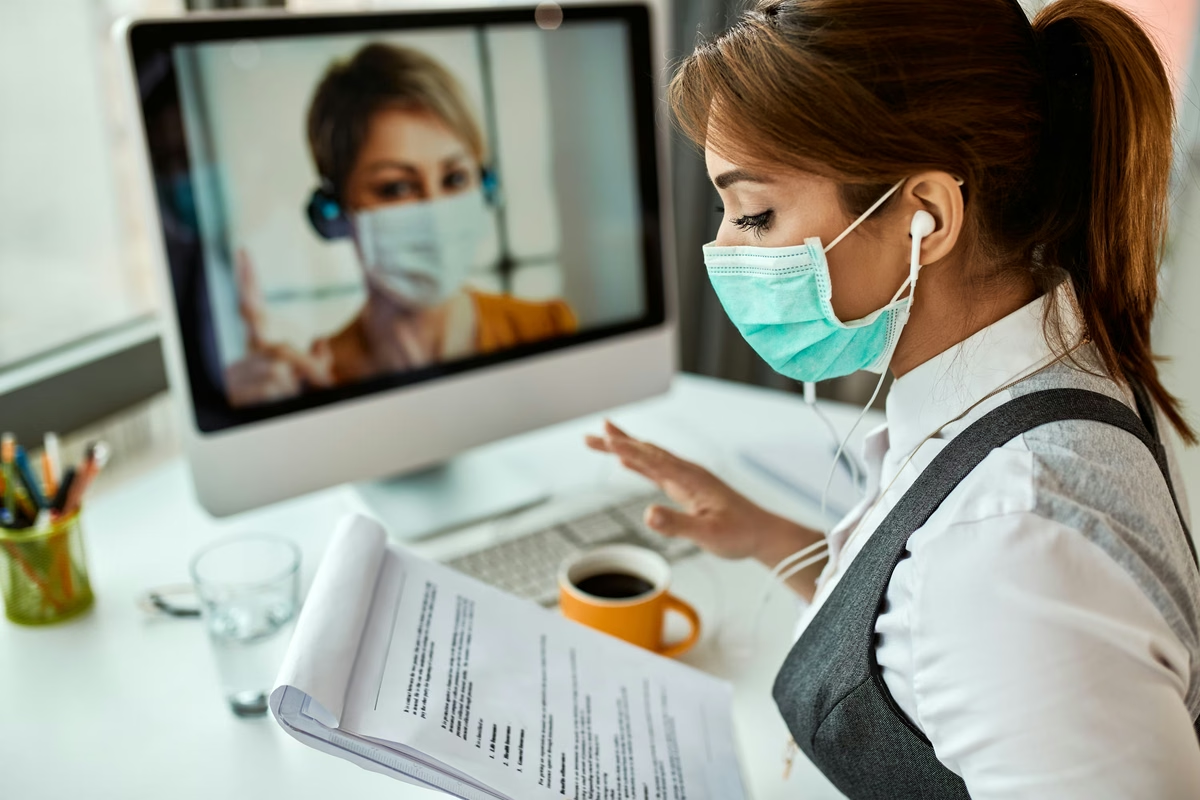
Clinics can further take advantage of technology by providing patients with access to secure messaging platforms so they can easily communicate with their providers during the visit. Clinics should also use video conferencing software if they wish to conduct remote physical exams or other treatments, as this will allow them to visualize their patients and provide better care. The use of electronic health records can also streamline the process by providing staff with access to patient information in one centralized location.
Finally, clinics should consider developing a telehealth policy. This policy can include guidelines on how appointments should be managed, such as the types of services that will be offered through telehealth visits or what to do if technical problems arise during the visit. It’s also important to establish procedures for billing and collecting payment from patients who use telemedicine services at your clinic. Such smooth workflow improves patient experience and having this type of policy in place will help ensure that all clinic staff members are on the same page when it comes to providing quality care through telehealth visits.
By following these steps, clinics can optimize their telehealth workflow by streamlining communication between staff and patients, providing payment options, utilizing technology to its fullest potential, and creating a telehealth policy. Looking to optimize your clinic’s telehealth workflow? Shoreline can help. Contact one of our representatives today to start a conversation.