-
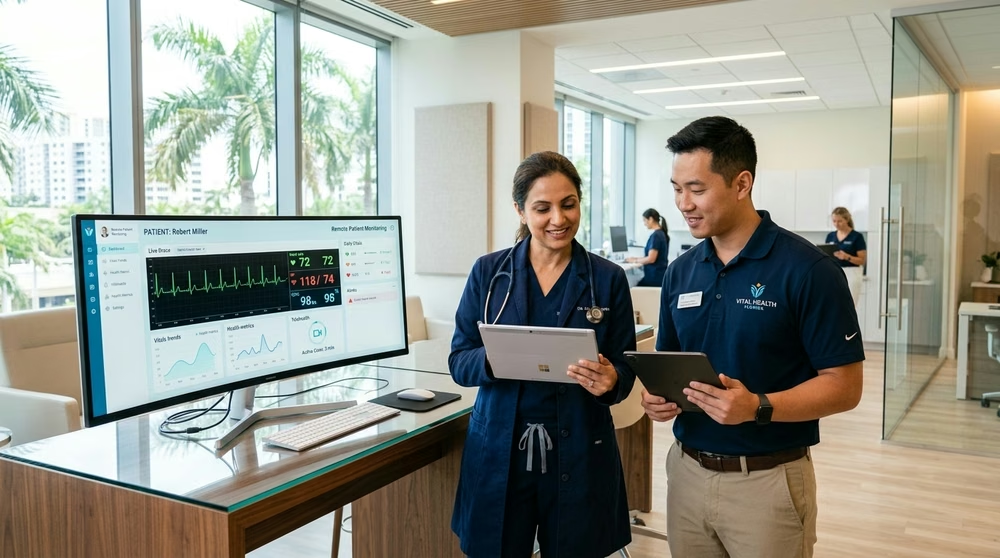
Digital Healthcare Paradigm: Explore the evolving healthcare landscape of Remote Patient Monitoring (RPM) and how connected devices are transforming patient care delivery and clinical oversight.
-
Clinical & Financial Parity: Utilizing cellular-enabled physiological devices unlocks recurring monthly Medicare Part B reimbursements while reducing avoidable hospital readmissions.
-
Proactive Denial Management: Navigating device setup (CPT 99453), 16-day transmission intervals (CPT 99454), and clinical management minutes (CPT 99457/99458) prevents billing audits and recoupments.
-
Revenue Cycle Acceleration: Partnering with specialized RCM billing experts eliminates administrative backlog, shortens payment cycles, and safeguards practice revenue.
The Evolution of Remote Care
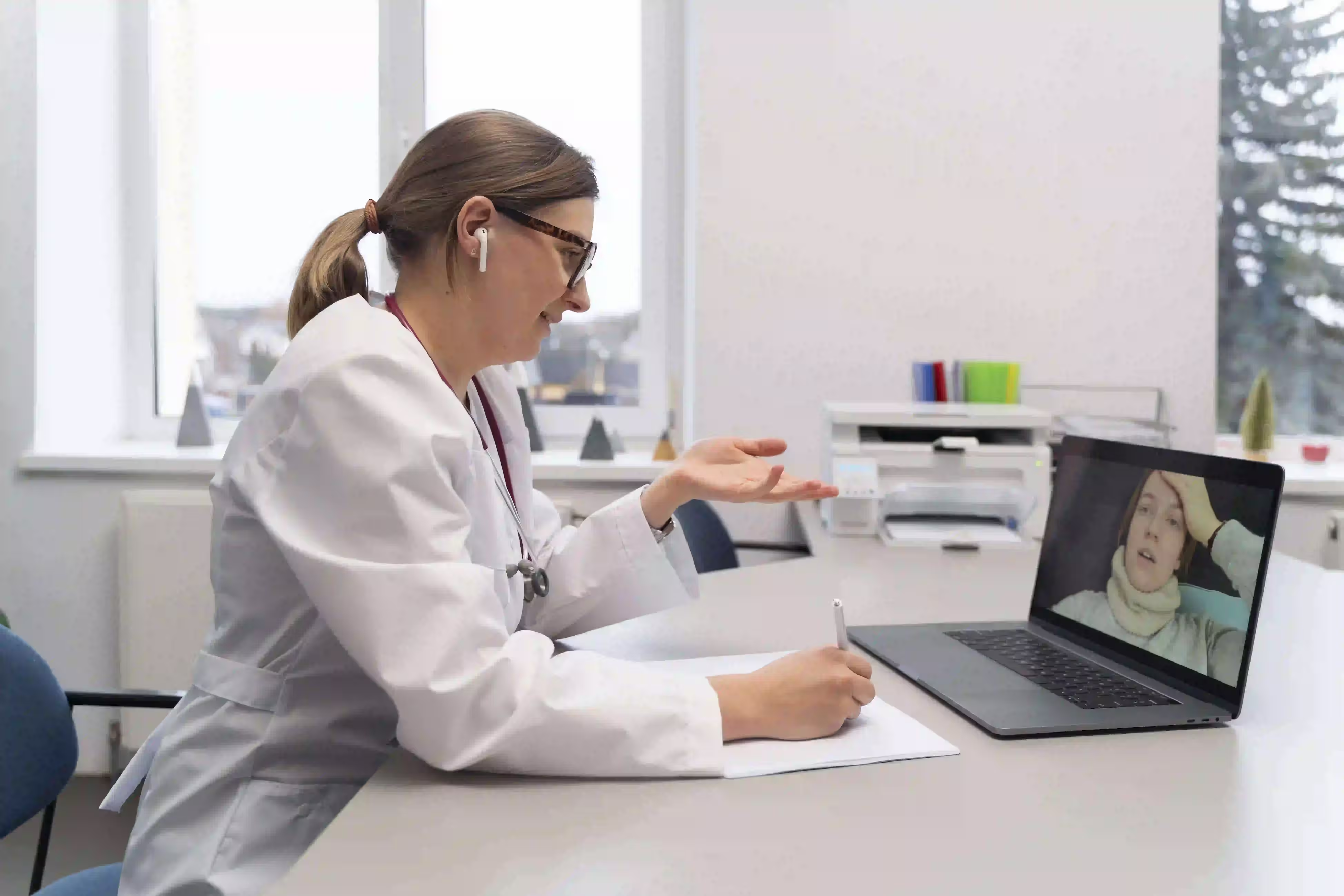
The medical industry is constantly evolving, and the role of innovation in this new era is inevitable. And one such recent advancement has been in remote patient monitoring. This technology allows physicians to monitor their patients’ health from a distance, utilizing devices that give live updates from the patient’s home.
Not only does this allow for more efficient care, but it also opens up an entire new revenue stream for physicians who are willing to invest in this cutting-edge technology. In this article, we examine how medical billing can be used to maximize profits when providing remote patient monitoring services.
Understanding Remote Patient Monitoring Technology
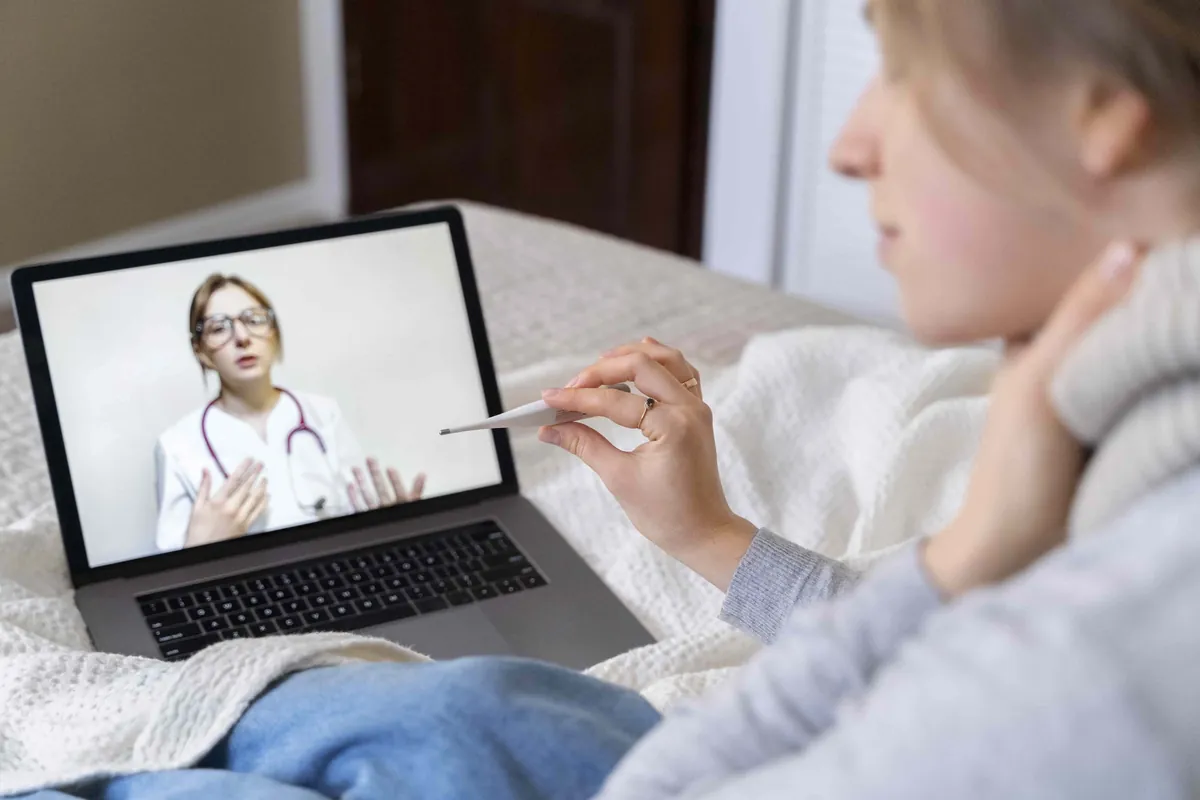
Remote patient monitoring (RPM) is quickly becoming an essential tool for healthcare providers around the world. It enables them to provide better care while reducing costs associated with traditional visits and treatments.
RPM utilizes specialized equipment that is placed in or on the body of a patient so that vital signs such as heart rate, blood pressure, oxygen levels, and temperature can be monitored remotely by a physician or other qualified healthcare provider over time without requiring physical contact between doctor and patient.
Medical Billing & Reimbursement Guidelines
Medical billing plays an integral role when it comes to maximizing profits from providing remote patient monitoring services. The first step is understanding what type of codes should be used when submitting claims for reimbursement under Medicare Part B programs which cover physician services.
It is important to understand the difference between a remote monitoring code and an in-person visit code, as these have distinct reimbursement structures and documentation thresholds. Once the correct codes are identified, it is vital to ensure that all documentation associated with the billing process is accurate and up-to-date, including patient consent, demographic information, device connectivity verification, and clinical procedural notes.
Managing Denials & Payer Appeals
The final step of medical billing for RPM involves managing denials from commercial insurance companies and Medicare programs. It is crucial to anticipate potential reimbursement challenges before submitting claims so that issues can be addressed proactively.
Common denials stem from missing transmission day requirements (such as fewer than 16 days of readings in a 30-day period) or insufficient clinical interaction minutes logged by clinical staff. Submitting timely, structured appeals with audit-proof electronic logs protects practice cash flow and establishes compliance.
Maximizing Practice Profits Through Strategic RCM
By mastering medical billing for remote patient monitoring services, healthcare providers can ensure that they are getting paid accurately and quickly while offering their patients improved access to continuous, high-quality care.
With the right team and streamlined revenue cycle processes in place, physicians can take full advantage of this modern revenue stream and utilize RPM as an indispensable tool for elevated clinical outcomes and resilient financial sustainability.